Migrating from MinIO to Predastore
MinIO was archived in April, and with it went future security patches and bug fixes. This guide covers moving a MinIO deployment to Predastore, from picking a deployment mode through standing up the cluster, recreating identities, copying your data with rclone, and switching clients over.
Read post
We Built Our Metadata Service Twice
The request that asks for credentials arrives carrying none, so whatever answers 169.254.169.254 has to work out which instance is asking, and stay right when two tenants are both running 10.0.0.5. AWS has a Nitro card for that. We have a tap device, and it took two designs to get there.
Read post
We Have AGI At Home
The case against open-weight models was always that they're cheaper but weaker. That's mostly collapsed, and the best now sit within a few points of the frontier. So maybe we don't need better models; we need to work out how a small-to-mid org actually runs the ones we've already got, as a real tool rather than one dev quoting benchmark scores.
Read post
Fakecloud vs Spinifex: AWS Emulator vs Production Platform
Fakecloud and Spinifex both answer to the AWS API, which is enough to group them together, but they solve different problems. Fakecloud is an emulator for local dev and CI; Spinifex is a production cloud platform for hardware you own.
Read post
MiniStack vs Spinifex: AWS Emulator vs Production Platform
MiniStack and Spinifex both speak the AWS API, but they are built for different stages of the software lifecycle. MiniStack is a dev and CI testing tool; Spinifex is a production cloud platform for hardware you own.
Read post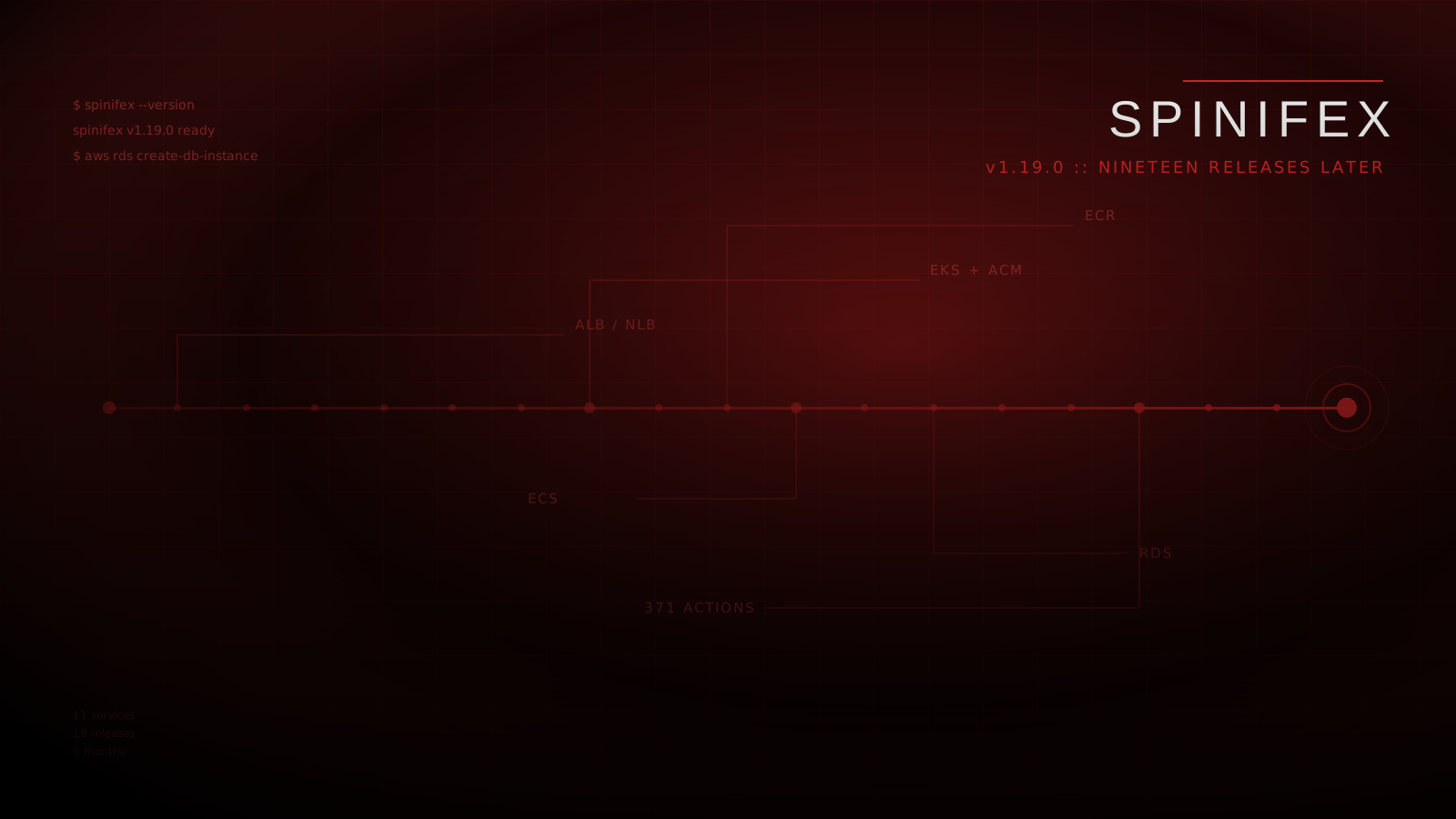
Spinifex 1.19.0: Nineteen Releases Later
At 1.0.0 in March, Spinifex ran EC2, EBS and S3. Today it runs eleven AWS services. This is the whole run from 1.0.0 to 1.19.0.
Read post
Floci vs Spinifex: AWS Emulator vs Production Platform
Floci and Spinifex both implement the AWS API, which puts them in the same search results, but they are not alternatives. Floci covers local development and CI; Spinifex covers production when that environment is hardware you own.
Read post
Equinix Metal Shut Down: What Bare Metal Cloud Users Can Do Now
Equinix Metal went offline on June 30, 2026. There is no single drop-in replacement — what made it valuable was the combination of physical performance, API-first control, and Equinix's interconnection fabric. Each migration path recovers some of that but not all of it.
Read post
OpenStack vs Spinifex: Why AWS API Compatibility Changes the On-Prem Equation
Moving from AWS to OpenStack means rewriting your Terraform configs, CLI scripts, and IAM structures for an entirely different API surface. Spinifex takes the opposite approach: it runs the AWS API on hardware you own, so the tooling stays and only the endpoint changes.
Read post
VMware Alternatives in 2026
Broadcom eliminated perpetual VMware licenses, forced teams onto subscription bundles, and triggered price increases of 800 to 1,500%. Teams are moving — here's where they're landing and what each option actually gives you.
Read post
Every Tool That Implements the AWS API in 2026
The AWS API has become infrastructure's common language. Some tools mock it for testing. Others implement it for real. This is every meaningful option, with the distinction that matters.
Read post
Ubicloud vs Spinifex: Two Approaches to Open Source Cloud
Ubicloud and Spinifex are both open source, AGPL-3.0, and designed to give teams cloud-like compute without the AWS bill. They are built for different problems, and picking the wrong one for your context costs real time to undo.
Read post
LocalStack vs Spinifex: the Right Tool for Dev, the Right Tool for Production
LocalStack and Spinifex both speak the AWS API, which makes them look like competitors. They're not — they solve different problems at different points in the pipeline, and many teams run both.
Read post
Self-Hosted IAM: Roles, Policies, and Instance Profiles Without AWS
Most bare-metal AWS alternatives skip IAM entirely, leaving teams with static keys and no expiry. Spinifex implements the full surface — roles, trust policies, instance profiles, and STS credential delivery through IMDS.
Read post
Running ECS on Bare Metal With Spinifex
ECS is tightly coupled to AWS infrastructure. Spinifex implements the EC2 launch type on bare metal so task definitions, services, and IAM credential delivery work on hardware you own.
Read post
Air-Gapped Kubernetes with Spinifex
Kubernetes assumes internet connectivity at every stage. Spinifex's air-gapped installer and AWS-compatible EKS implementation let you run managed clusters on hardware that never leaves your network.
Read post
Running EKS on Bare Metal With Spinifex
Spinifex implements the EKS API on your own hardware so eksctl and Terraform work identically against bare metal. Here's what changes and what doesn't.
Read post
Using Terraform to Manage On-Premise Infrastructure
Redirecting Terraform from AWS to Spinifex is a provider override plus four skip flags. Here's the complete setup, including the two-endpoint architecture, AMI lookups, and the workbooks in the Spinifex repo.
Read post
Proxmox vs Spinifex: Hypervisor Management vs AWS-Compatible Cloud
Proxmox and Spinifex are both open source and both run VMs on hardware you own. The difference is which API you use to operate them, and that depends entirely on what your team already knows.
Read post
LocalStack Went Paid: What the Free Alternatives Get Right
LocalStack archived its Community Edition in March 2026. Several capable free alternatives appeared quickly. Here's what each one gets right, and where the emulator model hits its limits.
Read post
Running the AWS CLI Against Your Own Hardware
What changes when you point the AWS CLI at your own hardware instead of AWS? Not much, and that's the point. Here's how Spinifex makes AWS-compatible tooling work without internet.
Read post
EC2-Compatible Compute on Bare Metal
"EC2-compatible" is an overloaded term. Here's what it means when the API surface is production-grade and running on hardware you own, and how your existing Terraform and AWS tooling transfers directly.
Read post
Spinifex as AWS "Local Twin"
We explore the spectrum from neo-cloud to full hardware ownership, and how Spinifex lets you run AWS-compatible services in a fully air-gapped 'Local Twin' of your cloud deployment.
Read post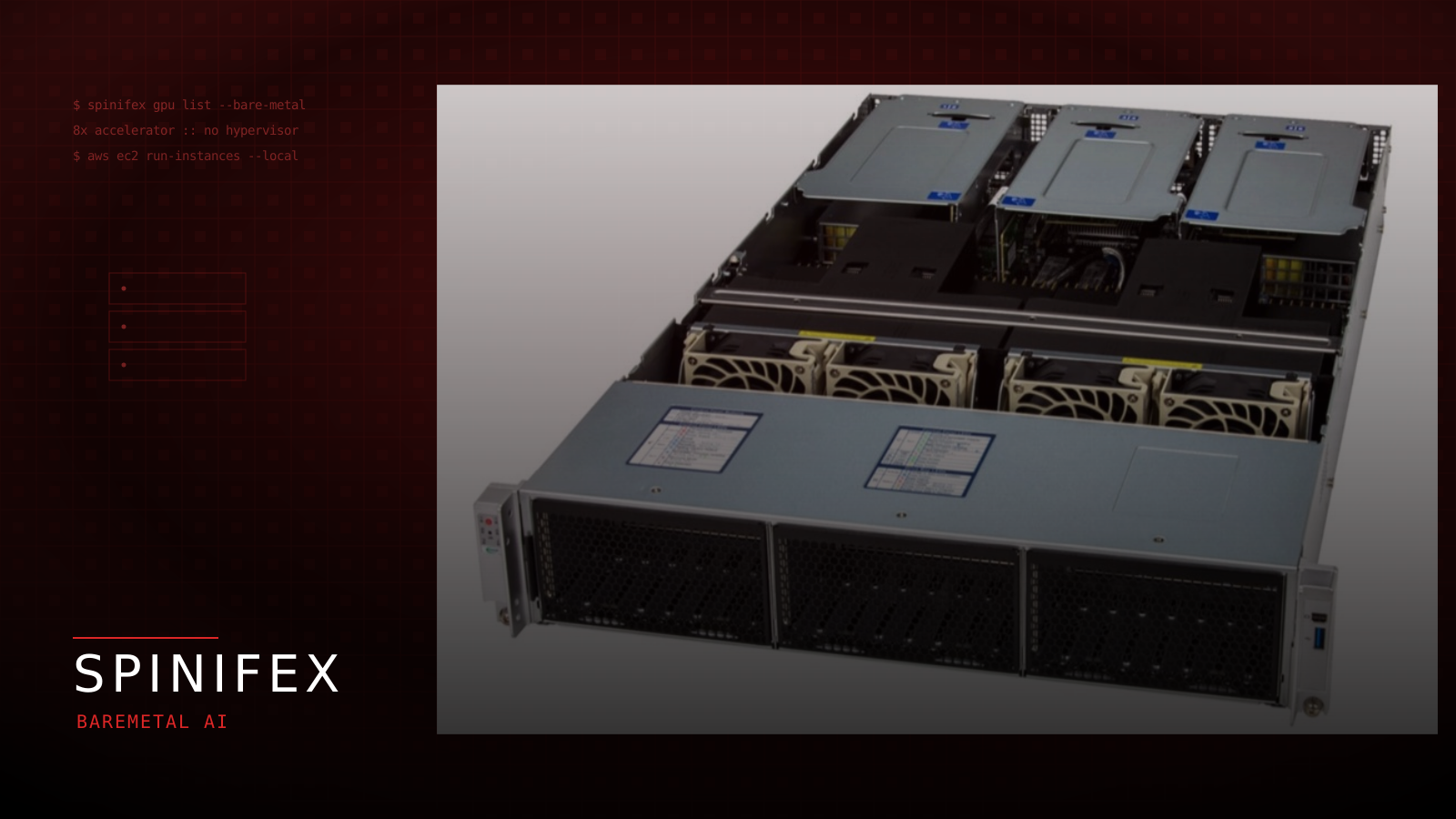
Mulga x Supermicro: Baremetal AI using Cloud-like tools
As token economics tighten and open weight models improve, Spinifex provides the bridge: deploy AI workloads with the same Terraform configs you use in the cloud, on hardware you own.
Read post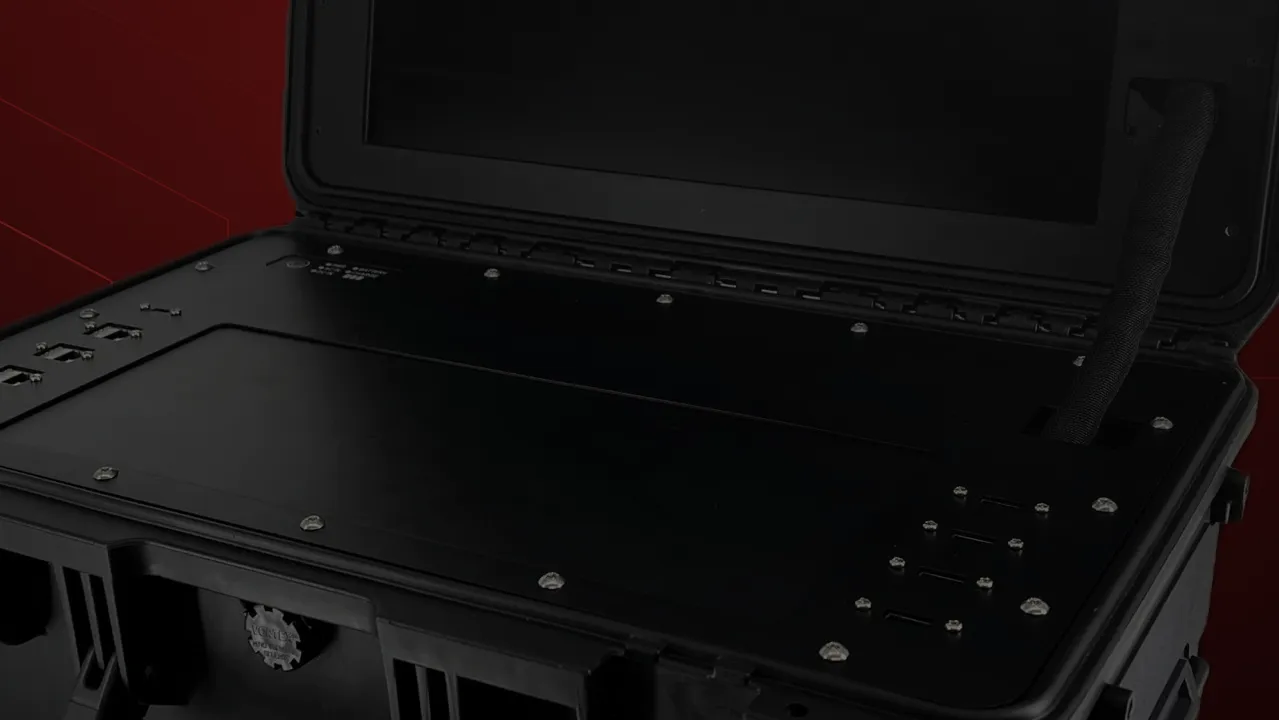
Mulga × Critical Shift: Bringing the Cloud to the Tactical Edge
Spinifex now ships pre-integrated on Nexus, Critical Shift's US-made rugged JADC2 platform. EC2, EBS, and S3-compatible primitives in a Pelican case, engineered to MIL-STD, ready to deploy.
Read post
Spinifex 1.2.0: Production-Ready Edge Cloud, Released
Spinifex 1.2.0 ships our hardened release: production-ready compute, block storage, and object storage on your hardware. Years of design work on edge-first infrastructure are now in the open, free to deploy.
Read post
Spinifex 1.0.0: Our First Public Release
After 9 months building in the open, Spinifex v1.0 is here. EC2-style compute, EBS-compatible block, S3-compatible object storage: a complete cloud-in-a-box for the edge, free and open.
Read post